
Value proposition examples and how to write your own
Value proposition examples from small product brands, checked live, and a way to write yours from customer words, the alternatives and a small ad test.

Value proposition examples from small product brands, checked live, and a way to write yours from customer words, the alternatives and a small ad test.

A business one-pager puts what you sell, who it's for and your evidence on one page. How to write one for suppliers, shops and backers, then test it out loud.

Minimum viable product examples from physical brands, prototype vs MVP, and how to cut a long feature list down to a first product a factory can make.

Founder-market fit for a side business: check the money to start, hours a week, skills and months to profit against your goals, with a worked example.

Influencer gifting (product seeding) means sending free product to creators. Who to pick, how to pitch, the FTC rules, and how to track pre-orders.

A beachhead market is the small group of customers you sell to first. How to compare candidate groups, choose one and write a profile you can use for ads.

A pre-mortem means imagining your business has already failed and working out why. How a solo founder runs one, with a worked example.

A feasibility study checks whether an idea can work before you spend on it. A one-week version for one physical product, with a full worked example.

Product differentiation is why a customer picks you over what they use now. A method for small founders to find the gap competitors leave, with examples.

The Mom Test is a way to interview customers so their politeness can't mislead you. How to find people, run the conversation and read what they tell you.

How to price a product: cost-plus, keystone and value-based pricing compared, then a worked example that checks the price against ad costs and your first order.

How to do pre-orders for a product you haven't made: set a ship date you can meet, choose when to charge, follow the FTC rule and test demand first.
Yes — and you should. Idea theft is rare, being first is not decisive, and secrecy kills more startups than copying ever has.

Brand is how a startup earns attention and care. It compounds into funding, feedback and free distribution long before the product is finished.

Not everything that feels like validation is validation. What counts, what does not, and how much evidence is enough to start building.
With no budget, validate the idea first, then write by hand to the people already posting about the problem. Free acquisition costs time, not cash.

Validating a business idea costs between nothing and about $500 in 2026. Here is what each budget buys, and the order to spend it in.

No. A trademark covers a name or a logo, not the idea. Validate the idea first, then protect the name once it is worth something.

Most idea validators are a chatbot with a scoring screen. What each kind does, what none of them can know, and when a verdict is worth anything.
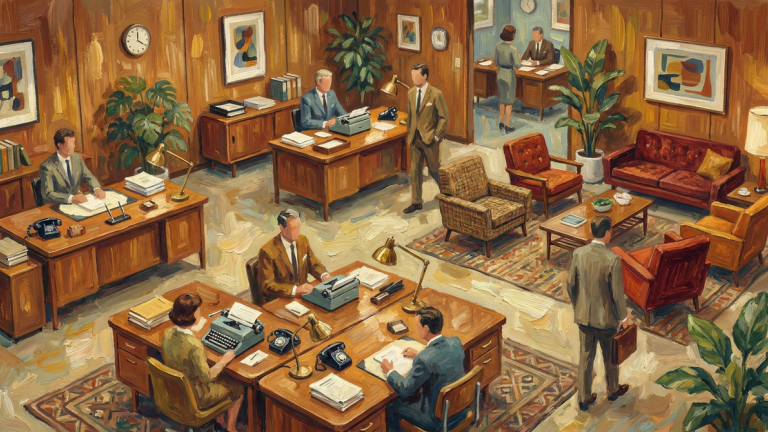
Competitors are good news: they prove people pay for this. Your angle sits in the gap between what rivals compete on and what customers complain about.

You want to start a business but have no ideas yet. You need three constraints and an evening — here is how to get to four candidates you can test.

One page, one promise, a price and an email field. Build it in a day — the longer you spend on the page, the less able you are to hear the answer it gives you.

Seven steps: list where your customers already gather, rate your standing in each, work through them in order, then buy traffic once you know what to say.

A market is real when its people already gather somewhere, describe the problem unprompted and share words for it. How to check in an afternoon, for free.